To design and implement a digital daily task management system that improves operational efficiency, enhances safety compliance, and reduces cognitive load for field operators in high-risk environments.
Background
This results in:
18% productivity loss daily
22% increase in near-miss incidents
45 minutes/shift wasted on administrative tasks
Energy's upstream operations currently rely on:
Paper-based daily checklists prone to damage/loss
Verbal shift handovers leading to miscommunication
No real-time visibility into task progress
Disconnected systems for safety checks and maintenance logs
User Benefits
Clarity:
Color-coded priority tasks
Visual progress tracking
Efficiency:
Voice-to-text task completion
Auto-sync across teams
Accountability:
Digital audit trail
Photo evidence capture
Safety:
Critical task reminders
Emergency procedure quick-access
Benefits for Businesses
Operational:
22% faster shift handovers
40% reduction in missed inspections
Financial:
$1.8M annual productivity gain
65% less compliance penalties
Risk Management:
Real-time safety verification
Predictive task analytics
Data:
Standardized operational records
AI-optimized scheduling
My Role
This project was a part of our UI/UX Bootcamp, and I applied all the methods of research I learned there. This was an individual project, so from UX research to UI designing everything was done by me. I really enjoyed working on this.
Design Process
The design process section is a crucial part of your UI/UX case study. It showcases your problem-solving methodology and the steps taken to arrive at the final design solution.
Emphasize
User Research
User InterviewCompetitive Analysis
Define
User Persona
Goal Statement
Empathy Map
Ideate
Brainstorming
Card SortingUser Flow
Design
Paper Wireframes
Visual DesignPrototype
Test
Check Usability
Survey Insight
Improvements
Challenge
The five sites in scope used a variety of barrier capture and stewardship tools and inconsistent nomenclature. In order to implement a single solution, the project not only had to convert to digital and better track trends, but it became essential for stakeholders to agree on the most important features. With many perspectives contributing, the forms could become overly complicated in ways that would negatively influence adoption. Based on interviews and usability testing discoveries, the project team was able to continually iterate and pivot to build the “right product.”
Problem Statement
Field operators waste 30% of each shift on task coordination and documentation due to:
Unreliable paper-based systems
Lack of real-time priority updates
No integration between safety, maintenance and operational tasks
Inability to capture field data for continuous improvement
This leads to:
$2.1M annual productivity loss
28% preventable safety incidents
Poor operational data quality
Solution
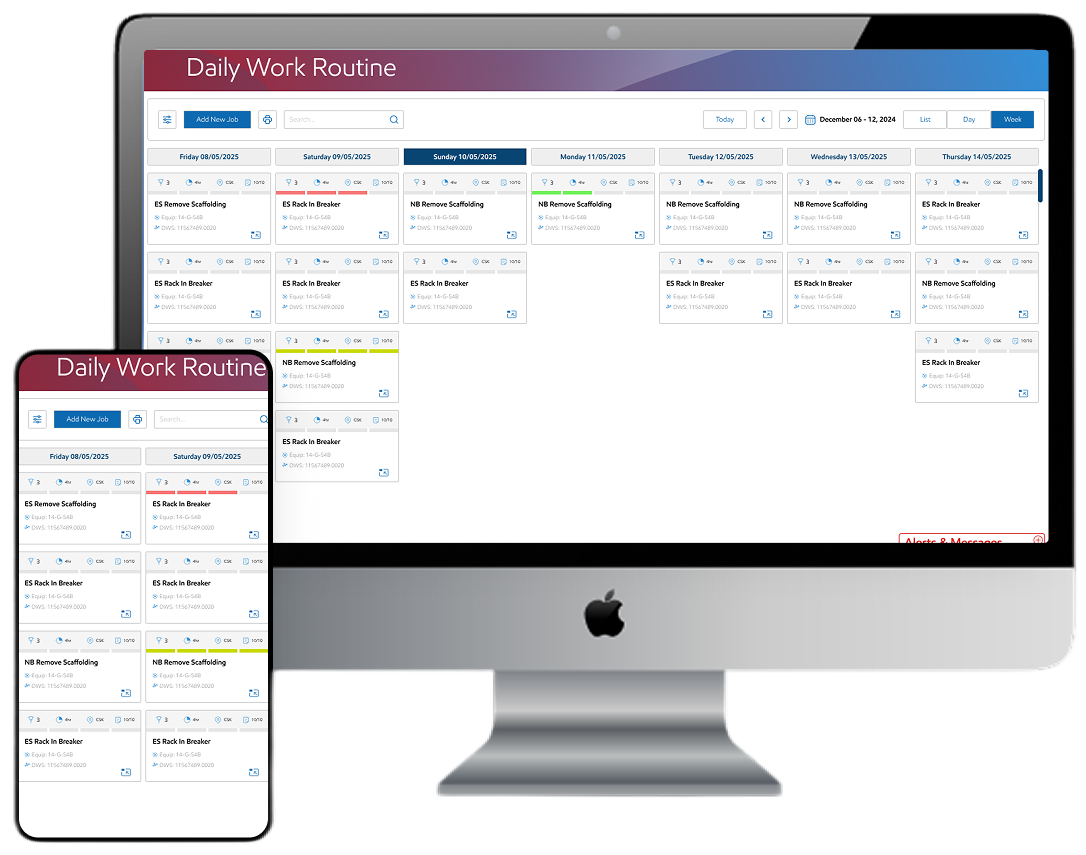
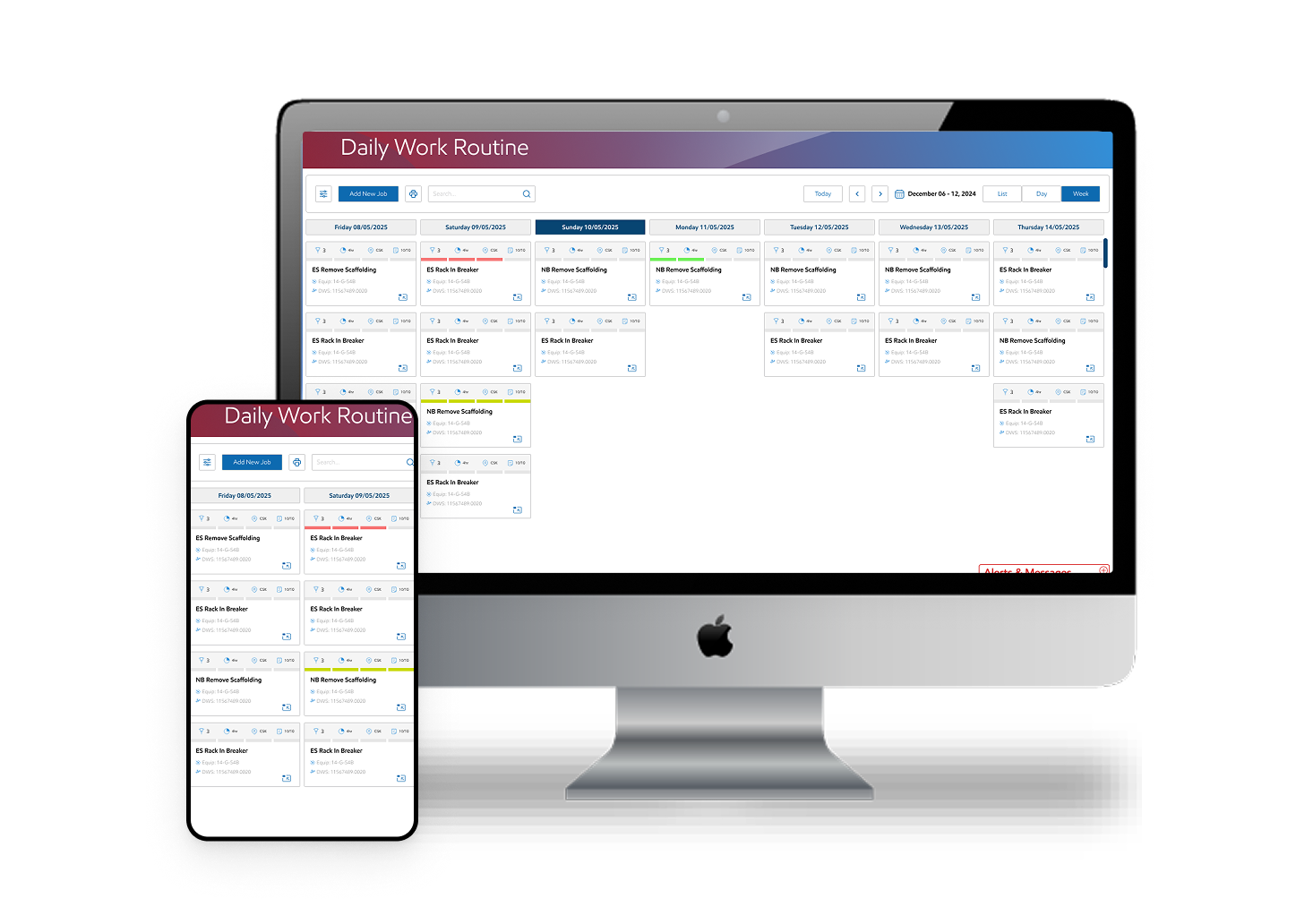
We designed a custom web-based application with companion mobility (iOS and Android) for Downstream and Chemical routine maintenance, providing real-time daily work scheduling, permit communication, and job-by-job barrier capture tool. Due to its complex integration requirements, it is considered one of the first applications to move to Azure. It has already resulted in improved labor effectiveness and less disruption to operations, totaling nearly $12.5 million.
Pain Point
Users struggle to organize tasks by urgency/importance.
Calendar integration for blocking work vs. meetings.
Quick-edit options (swipe to reschedule).
Real-time updates across mobile, desktop, and web.
Multiple notification types (pop-up, email, SMS).
Empathy Map
Think Feel
Frustrated by changing priorities
Distrustful of "another corporate system"
Anxious about missing critical steps
Hear
"The checklist doesn't match what supervisor wants"
"I already did that inspection - why am I being asked again?"
"Which tasks are actually priority today?"
See
Conflicting notes from different shifts
Coffee-stained checklists
Supervisors constantly asking for updates
Say & Do
"Just tell me what to do first"
Creates personal sticky note system
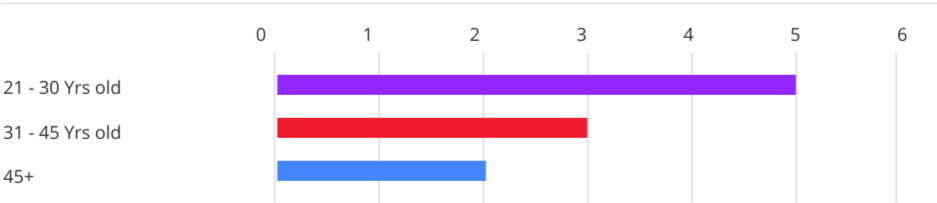
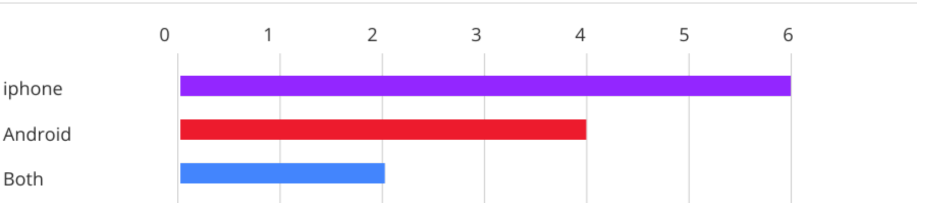
Participant Demographics
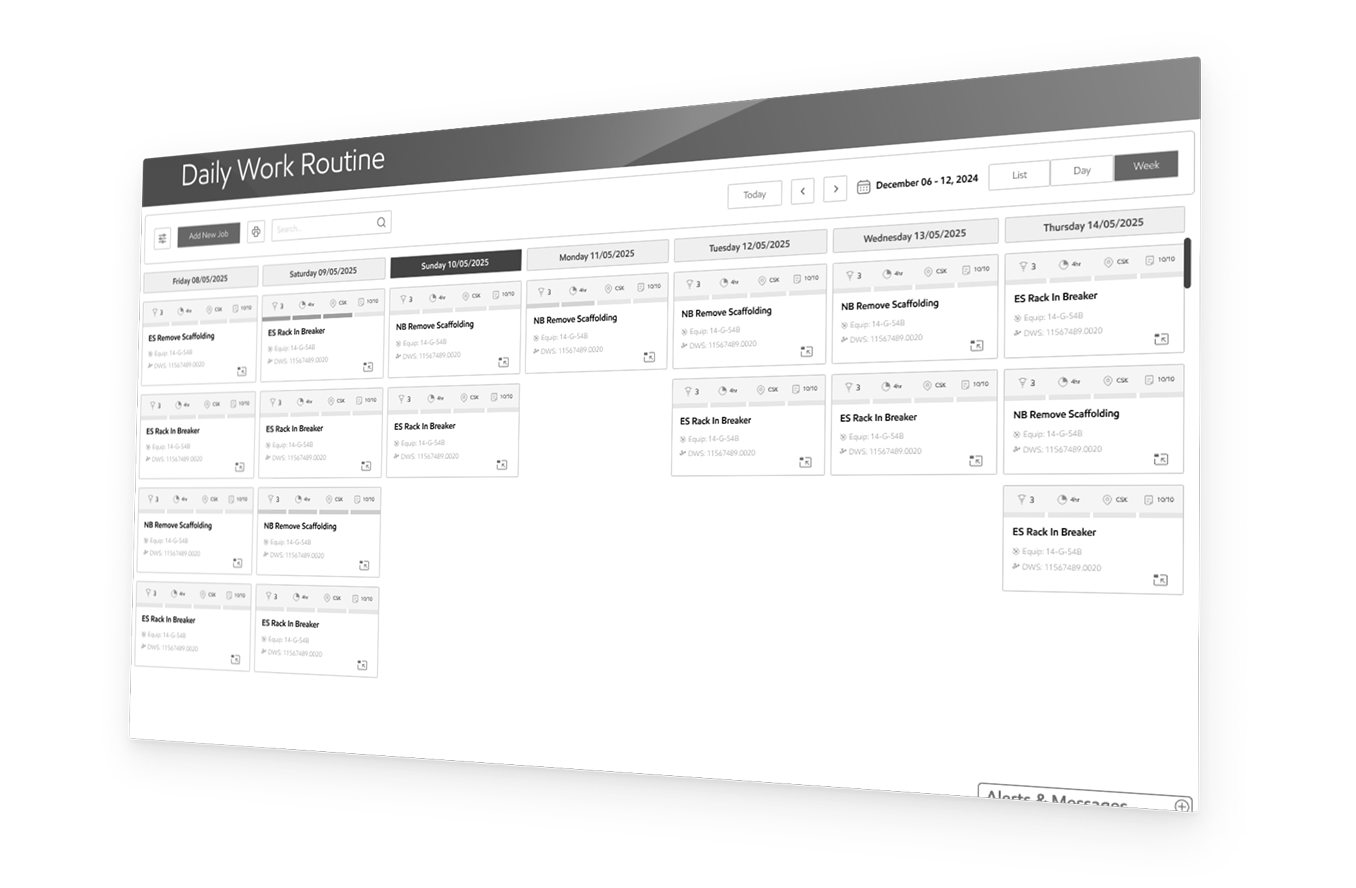
A wireframe is a rough schematic created in the early stages of digital product design to help visualize and communicate the structure of a product or website.
Users Age
Phone Type
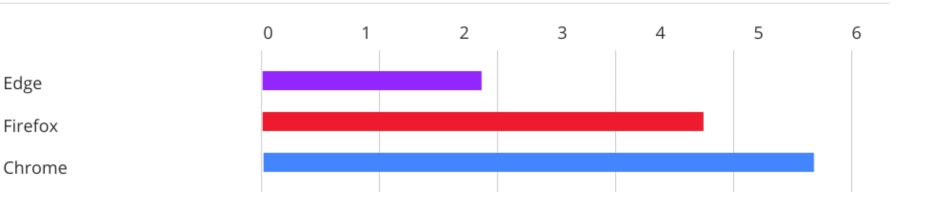
Internet Browser
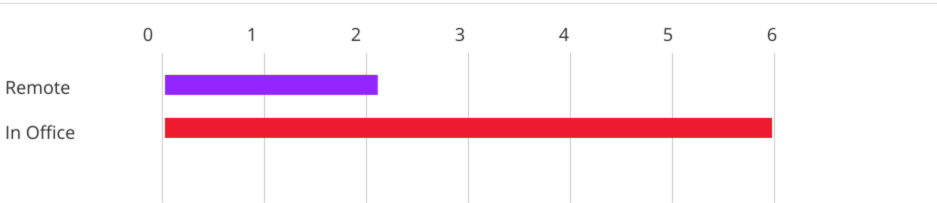
Workplace Type
Users Group
Field Operator
Maintenance Technician
Production Supervisor
HSE Manager
Persona
Name
Jake Reynolds
Occupation
Self-employed
Jake Reynolds Story
Jake Reynolds is a regional director who needs to catch flights a lot. He sometimes has to 7-8 times a month for work purposes. His company has assigned Jason to a specific region so that he travels to the same cities and stays at the same hotels for convenience.
Gain
Clear visual priority system
Digital proof of completion
Single source of truth
Demographic
42 years old, previously lived in Boston, Massachusetts, but moved to Chicago for a new job with the startup company. Has a high-income level. Married with three kids.
Pain Point
No clear task prioritization
Can’t prove completed work
Duplicate data entry
Org Activity
Tech Sevy
Social Skills
Low fidelity wireframe
User Interface
Wanna collaborate?
Let’s chat.
Name
(required)
Hey, thanks for checking out my work.
I’ve been fascinated with the way people interact with technology since forever. I’m particularly keen on digital products designed to make life easier for human beings.
What are you working on?
If you want to know more about my design process, or if you want to talk about a cool idea, don’t hesitate to hit me up.